Wajir Giraffe Sanctuary
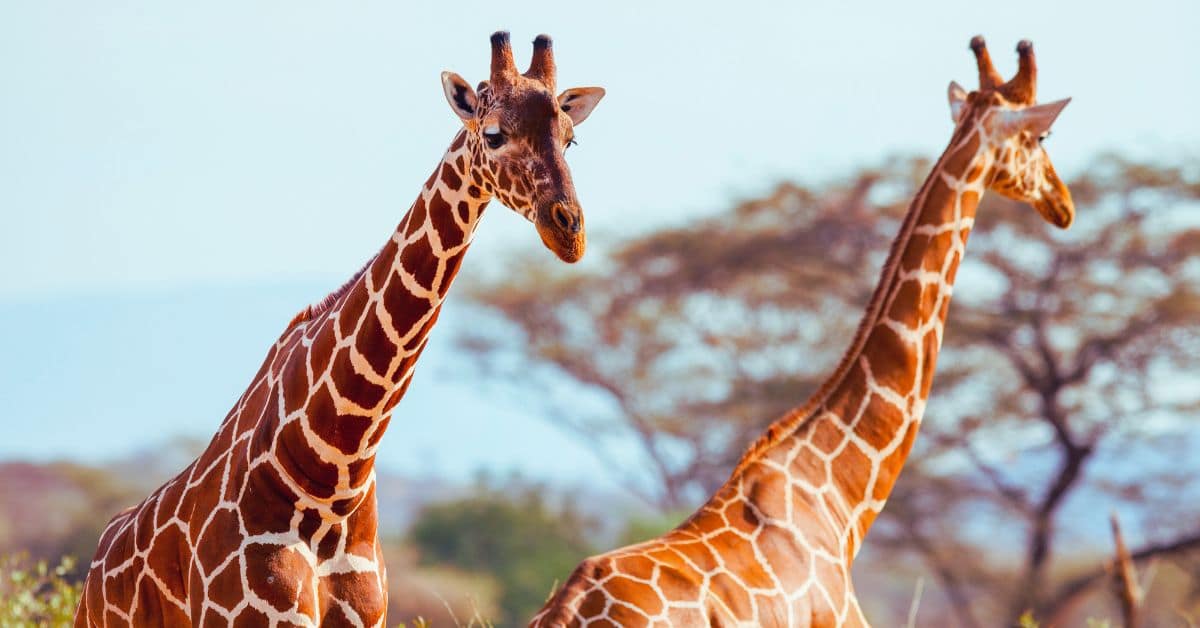
Towering above the savannas of Northern Kenya, the reticulated giraffe stands as one of Africa’s most majestic yet endangered creatures. With its beautifully defined, net-like coat and graceful presence, it captivates all who see it—yet few realize just how unique and vulnerable this species truly is.
At Wajir Giraffe Sanctuary, we are proud custodians of this rare subspecies, working daily to ensure its survival through conservation, education, and community involvement. But what exactly makes the reticulated giraffe so special? In this blog, we’ll explore its remarkable traits, little-known giraffe facts, and why protecting this gentle giant is more urgent than ever.
Whether you’re a wildlife enthusiast, a conservation supporter, or simply curious about Africa’s natural wonders, join us as we take a closer look at the reticulated giraffe and its vital role in Kenya’s ecosystem.
🌍 What Is a Reticulated Giraffe?
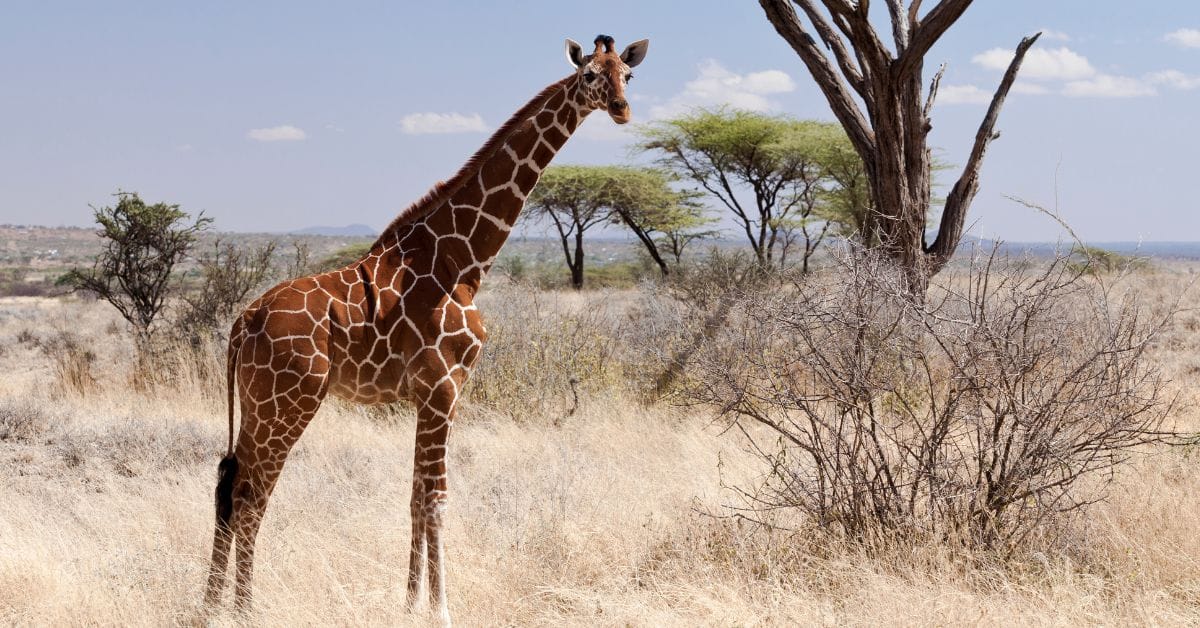
The reticulated giraffe (Giraffa reticulata) is one of four recognized species of giraffes found across Africa. Its most distinctive feature is its coat—an intricate net-like pattern of polygonal patches separated by bright white lines, giving it the name “reticulated.”
This striking pattern not only makes it the most visually recognizable among African giraffe species, but also helps it blend into the dry savanna shrublands it calls home.
📍 Where Do Reticulated Giraffes Live?
The reticulated giraffe habitat is mainly restricted to Northern Kenya, with some populations extending into southern Ethiopia and Somalia. Unfortunately, their range has drastically shrunk over the decades due to habitat loss, fragmentation, and human expansion.
Here at Wajir Giraffe Sanctuary, we’re located in one of the last strongholds for this species, providing a safe space where they can thrive in their natural ecosystem—alongside local communities who are integral to their protection.
🔍 Unique Features of the Reticulated Giraffe
So, what exactly makes the reticulated giraffe unique?
1. Distinctive Coat Pattern
No two giraffes have the same coat, much like human fingerprints. The reticulated giraffe’s pattern is cleaner, more defined, and geometrically consistent compared to other giraffe species.
2. Adaptations for Survival
- Long necks allow them to reach high acacia leaves, avoiding competition for food.
- Their 18-inch-long tongues are prehensile and tough, helping them navigate thorny branches.
- The dark tongue also helps prevent sunburn in the harsh northern sun.
3. Social and Gentle Behavior
Reticulated giraffes are peaceful, social animals. Females and calves tend to form herds, while males often roam alone or engage in “necking” contests to establish dominance.
🌱 Why Conservation Matters
The reticulated giraffe population has declined by over 50% in just three decades. Currently listed as Endangered, they face several serious threats:
- Poaching for meat and hides
- Habitat encroachment due to agriculture and infrastructure development
- Human-wildlife conflict
- Lack of awareness and education
This is where organizations like Wajir Giraffe Sanctuary play a pivotal role. By preserving natural habitats, engaging local communities, and raising awareness through education and eco-tourism, we are helping to secure a future for the reticulated giraffe.
🧬 Genetics and Species Differences
Recent DNA studies have revealed that reticulated giraffes are genetically distinct from their southern cousins. This underscores the need to treat each giraffe subspecies individually in conservation efforts. A one-size-fits-all approach won’t work when each population has its own ecological role, behavior, and genetic traits.
🦒 Fascinating Giraffe Facts You Didn’t Know
- A giraffe’s heart weighs up to 11 kg and must pump blood two meters upward to reach the brain.
- Despite their height, giraffes have only seven neck vertebrae—the same as humans.
- Calves can stand and walk within an hour of birth—a survival adaptation against predators.
- Giraffes can run up to 35 miles per hour over short distances.
- Their neck battles are not always violent—many are short and end with peaceful interactions.
🛡️ Wajir Giraffe Sanctuary: Our Mission
At Wajir Giraffe Sanctuary, we believe that giraffe conservation begins with awareness, continues through community involvement, and thrives on long-term protection strategies.
Our sanctuary works to:
- Rescue and rehabilitate giraffes in distress
- Protect natural habitats from degradation
- Educate the public, especially young learners, about wildlife conservation
- Engage local communities to become stewards of biodiversity
- Collaborate with researchers and NGOs to ensure scientifically backed conservation methods
👣 How You Can Help
You don’t need to be a biologist to make a difference. Here’s how you can support the reticulated giraffe:
- Visit the Sanctuary – Come see these amazing animals and learn first-hand how conservation works.
- Donate or Adopt a Giraffe – Your contribution directly supports care, protection, and awareness programs.
- Share the Knowledge – Help us spread these giraffe facts and advocate for their survival.
- Partner with Us – Schools, NGOs, businesses, and travelers can all be part of our conservation network.
📌 Conclusion
The reticulated giraffe is more than just a wildlife icon—it is a living treasure of Northern Kenya’s natural heritage. At Wajir Giraffe Sanctuary, we’re committed to ensuring these towering beauties continue to roam freely across the arid savannas they’ve called home for centuries.
By learning about their unique features, understanding their behavior, and supporting efforts to protect them, you become part of a powerful movement to keep Africa wild—and giraffes safe.
Frequently Asked Questions (FAQs)
1. What is the reticulated giraffe?
The reticulated giraffe (Giraffa reticulata) is a subspecies of giraffe known for its distinctive, net-like coat pattern. It is primarily found in Northern Kenya, southern Ethiopia, and parts of Somalia.
2. Why is the reticulated giraffe endangered?
The reticulated giraffe is endangered due to a combination of threats, including habitat loss, poaching, and increasing human-wildlife conflict. As land is converted for farming and settlements, giraffes lose access to their natural feeding and breeding grounds.
3. Why is the reticulated giraffe unique compared to other giraffe species?
It has a more defined and symmetrical coat pattern than other African giraffe species. It also has distinct genetic characteristics, social behaviors, and a more limited geographic range.
4. How many reticulated giraffes are left in the wild?
It is estimated that fewer than 16,000 reticulated giraffes remain in the wild, with a significant portion found in Northern Kenya. Their numbers have declined by more than 50% over the past 30 years.
5. What is the role of Wajir Giraffe Sanctuary in conservation?
Wajir Giraffe Sanctuary plays a key role in reticulated giraffe conservation by providing a safe habitat, engaging local communities, conducting research, and raising awareness. The sanctuary also works closely with conservation partners and government agencies to monitor and protect giraffe populations.