Wajir Giraffe Sanctuary
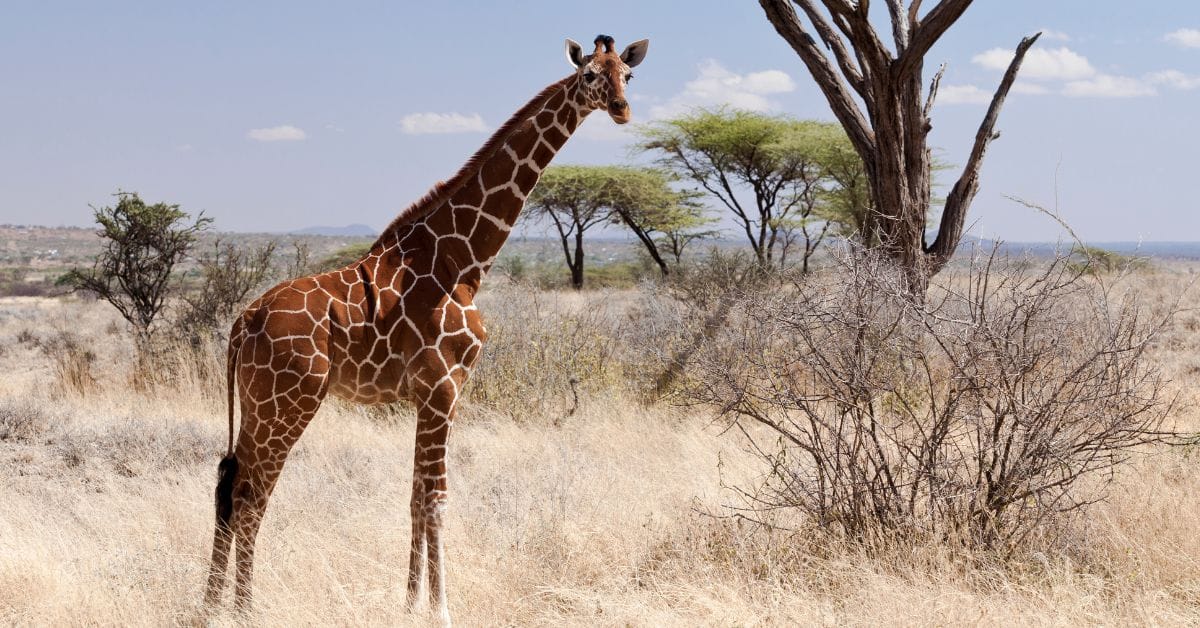
In the vast, sun-scorched landscapes of Northern Kenya, where nomadic pastoralists roam and wildlife clings to survival, a remarkable conservation story is unfolding. Just 12 kilometers south of Wajir town, the Wajir Giraffe Sanctuary is quietly making a big impact. Established in 2020, this community-led sanctuary is dedicated to protecting one of Africa’s most endangered giraffe species — the reticulated giraffe, also known as the Somali giraffe.
Unlike traditional conservation models that rely heavily on outside intervention, Wajir Giraffe Sanctuary is built on the belief that local communities are the best stewards of the land. Amid increasing threats like poaching, habitat loss, and human-wildlife conflict, the sanctuary has emerged as a grassroots solution that merges wildlife protection, cultural heritage, and sustainable development.
This article explores how the sanctuary is reshaping the future of giraffe conservation in Kenya, empowering communities, and putting Wajir County on the map as a rising destination for eco-tourism and biodiversity protection.
The Birth of Wajir Giraffe Sanctuary
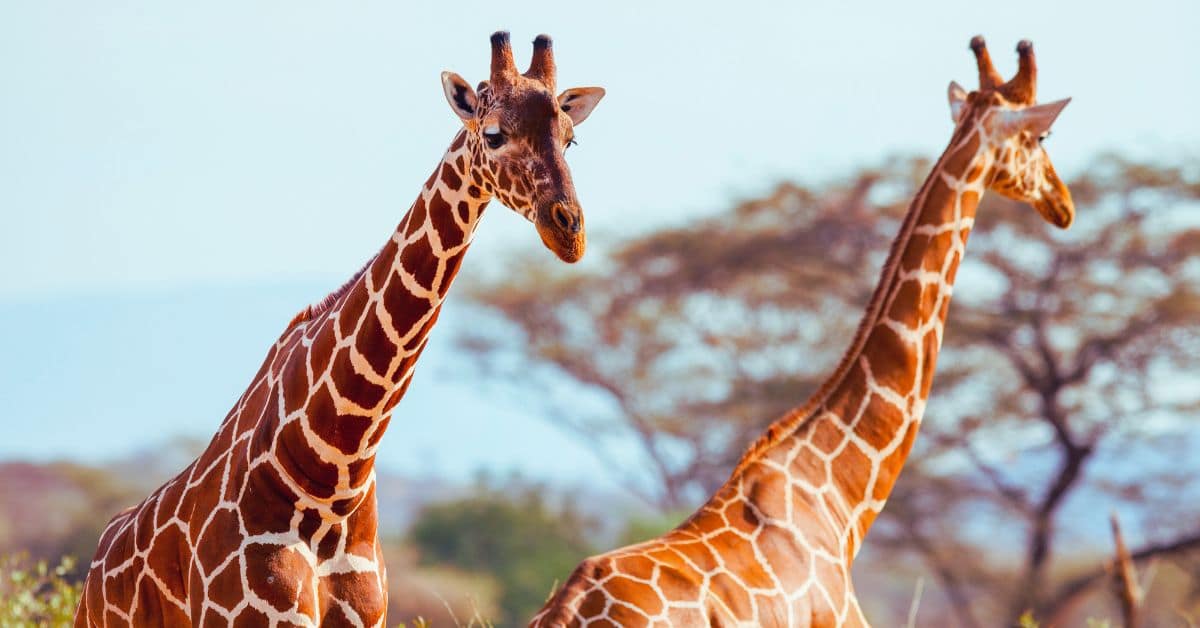
Wajir Giraffe Sanctuary was established in response to the alarming decline of the reticulated giraffe population in North Eastern Kenya. These giraffes, distinguished by their intricate coat patterns and long necks, once roamed freely across vast communal lands. However, poaching, habitat loss, and rising human-wildlife conflict have pushed them closer to extinction.
In regions like Wajir, where formal conservation efforts have historically been limited due to geographical inaccessibility and socio-economic challenges, communities took action. Driven by local elders, youth, women’s groups, and conservation advocates, the sanctuary emerged to bridge the gap between nature and development.
Geographic Importance and Cultural Context
Wajir County, part of Kenya’s arid and semi-arid lands (ASALs), is known for its expansive plains, seasonal rivers, and rocky outcrops. Despite harsh conditions, this landscape supports a remarkable array of wildlife adapted to dry environments. The Wajir Giraffe Sanctuary leverages this unique ecology to protect giraffes and other species while promoting eco-tourism in Wajir.
Moreover, the area is steeped in Somali cultural heritage. Local communities, primarily nomadic pastoralists, depend on livestock for their livelihood. Historically, this lifestyle has created occasional conflicts with wildlife, particularly during drought seasons when grazing lands become scarce. The sanctuary works to shift this dynamic through community education, sustainable grazing practices, and alternative livelihood programs.
Conservation Programs: A Holistic Approach
1. Giraffe Monitoring and Research
The sanctuary conducts ongoing population surveys, tracking, and habitat mapping. Local community rangers—trained by conservation partners like the Somali Giraffe Project—collect data on giraffe sightings, behaviors, health, and threats using mobile tools.
This research not only informs local conservation strategies but also contributes to national and international databases focused on reticulated giraffe conservation.
2. Habitat Restoration and Protection
With widespread land degradation due to overgrazing and deforestation, the sanctuary is restoring natural habitats by:
- Replanting native tree species like Acacia and Commiphora
- Creating buffer zones to protect giraffe corridors
- Engaging communities in sustainable land-use practices
These efforts ensure that giraffes can move freely and safely through the region, improving their chances of survival.
3. Community Education and Awareness
Education is at the core of the sanctuary’s mission. Through school outreach, barazas (public meetings), and local radio programs, the sanctuary raises awareness about the importance of biodiversity and giraffe conservation.
Youth and women’s groups are empowered with conservation leadership skills, while events like World Giraffe Day (June 21st) are celebrated to build community pride in local wildlife.
4. Human-Wildlife Co-Existence Program
This program promotes peaceful co-existence by:
- Training herders on non-lethal conflict mitigation
- Promoting rotational grazing systems
- Creating community-driven land-use plans
By addressing the root causes of conflict, the sanctuary is helping to harmonize relationships between wildlife and pastoralist communities.
5. Anti-Poaching and Wildlife Crime Prevention
In collaboration with the Kenya Wildlife Service (KWS), local elders, and community scouts, the sanctuary has developed a robust anti-poaching network that includes:
- Community patrols
- Reporting hotlines
- Surveillance training
- Alternative income training to reduce dependence on poaching
These actions are essential to curb illegal wildlife activities and ensure long-term species protection.
6. Water and Climate Resilience Program
With climate change intensifying drought cycles in Northern Kenya, the sanctuary supports:
- Construction and rehabilitation of water points for both wildlife and livestock
- Training communities on climate-smart grazing and drought preparedness
- Monitoring the impacts of climate change on giraffe migration and survival
This integrated approach addresses both conservation and human development needs.
7. Eco-Tourism and Income Generation
To create economic value for conservation, the sanctuary is building eco-tourism experiences such as:
- Guided giraffe walks
- Cultural homestays
- Community-operated souvenir shops and cafés
Local women and youth are trained as eco-guides and hospitality providers. Income generated supports conservation projects and community welfare.
8. Conservation Partnerships and Training
Partnerships with NGOs, conservation bodies, and academic institutions have been crucial. The sanctuary regularly hosts:
- Training workshops on data collection, wildlife law, and community organizing
- Internship and volunteer programs for Kenyan students and graduates
- Collaborative projects with the Somali Giraffe Project
These partnerships bring global expertise to local conservation challenges.
Mission and Vision of Wajir Giraffe Sanctuary
Mission:
To conserve and protect the endangered reticulated giraffe species and its habitat in Wajir County through community-led efforts, education, research, and sustainable development that benefits both people and wildlife.
Vision:
A secure and thriving natural habitat in Wajir County, where reticulated giraffes and other wildlife co-exist in harmony with empowered and environmentally conscious communities.
Why It Matters
The success of Wajir Giraffe Sanctuary is proof that true conservation doesn’t have to come from the top down—it can grow from the grassroots up. It demonstrates that wildlife sanctuaries in Northern Kenya, even in remote and arid areas, can flourish when powered by local communities, driven by shared values, and supported by collaborative networks.
The sanctuary contributes to:
- National giraffe conservation goals
- Community empowerment
- Sustainable tourism in Kenya
- Protection of Kenya’s biodiversity and natural heritage
Visit Wajir Giraffe Sanctuary
Visitors to Wajir County can now explore more than just its landscapes. With destinations such as the Wajir Museum, Wagalla Massacre Site, and the Sabuli Wildlife Conservancy, the region is fast becoming a tourism hotspot in Kenya’s North Eastern region.
Whether you’re a conservationist, student, researcher, or traveler, Wajir Giraffe Sanctuary offers an authentic, immersive experience that allows you to be part of something meaningful.
Final Word
Wajir Giraffe Sanctuary is not just protecting a species; it’s nurturing a philosophy—conservation through community. It is a shining example of how endangered giraffes in Kenya can be saved not only with funding and policy, but with education, respect, collaboration, and local leadership.
As threats to biodiversity grow globally, initiatives like this offer a blueprint for sustainable, inclusive, and impactful conservation.