Wajir Giraffe Sanctuary
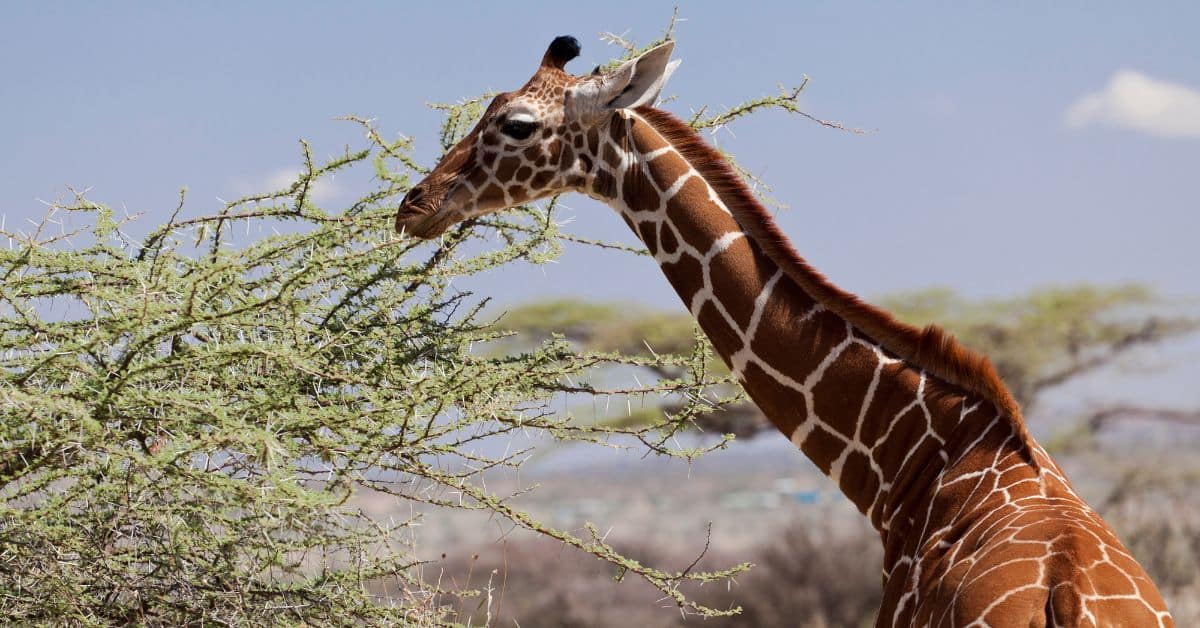
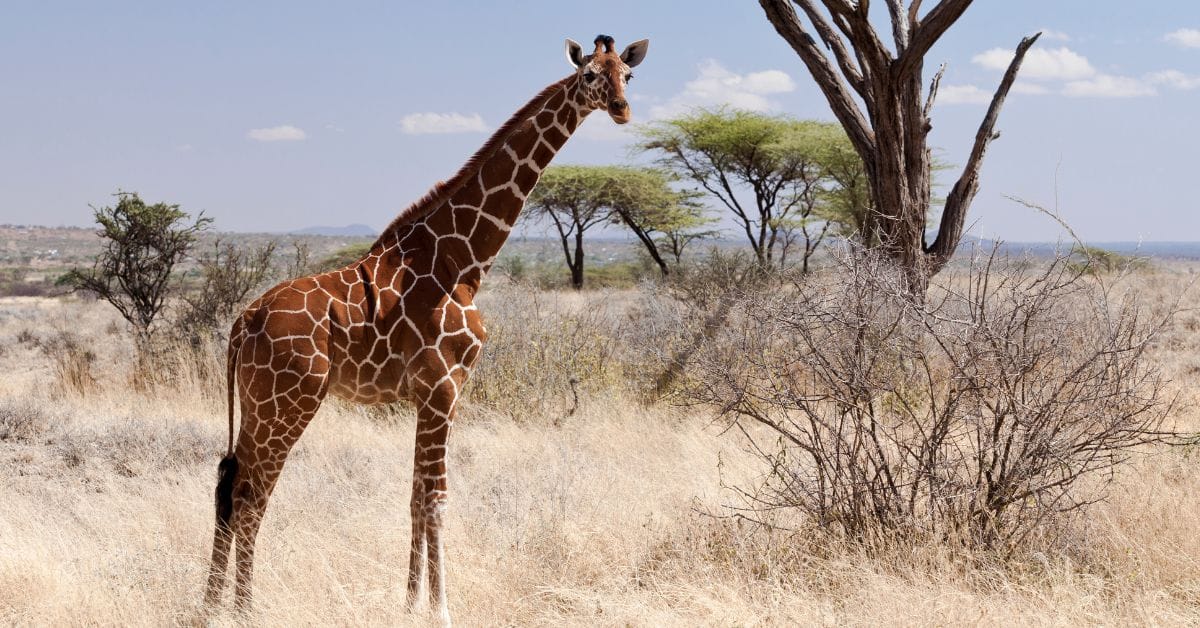
Across the African savannah, the silent toll of climate change is reshaping ecosystems—and one of the species most at risk is the gentle and iconic giraffe. In Northern Kenya, prolonged droughts and shifting rainfall patterns are threatening giraffe survival, particularly for the Reticulated Somali giraffe, a species already listed as endangered.
At the Wajir Giraffe Sanctuary, we are witnessing firsthand the battle between giraffes and climate change—and more importantly, we’re taking action. This blog explores how drought is impacting giraffes and what we’re doing to build long-term climate resilience for both wildlife and communities.
Understanding the Threat: Giraffes and Climate Change
Giraffes are remarkably adapted to dry environments. With their long necks and specialized tongues, they browse high into trees to find leaves even during dry seasons. But even their natural adaptations can’t keep up with the increasingly extreme and prolonged droughts affecting Kenya and other parts of Africa.
How Drought Affects Giraffes:
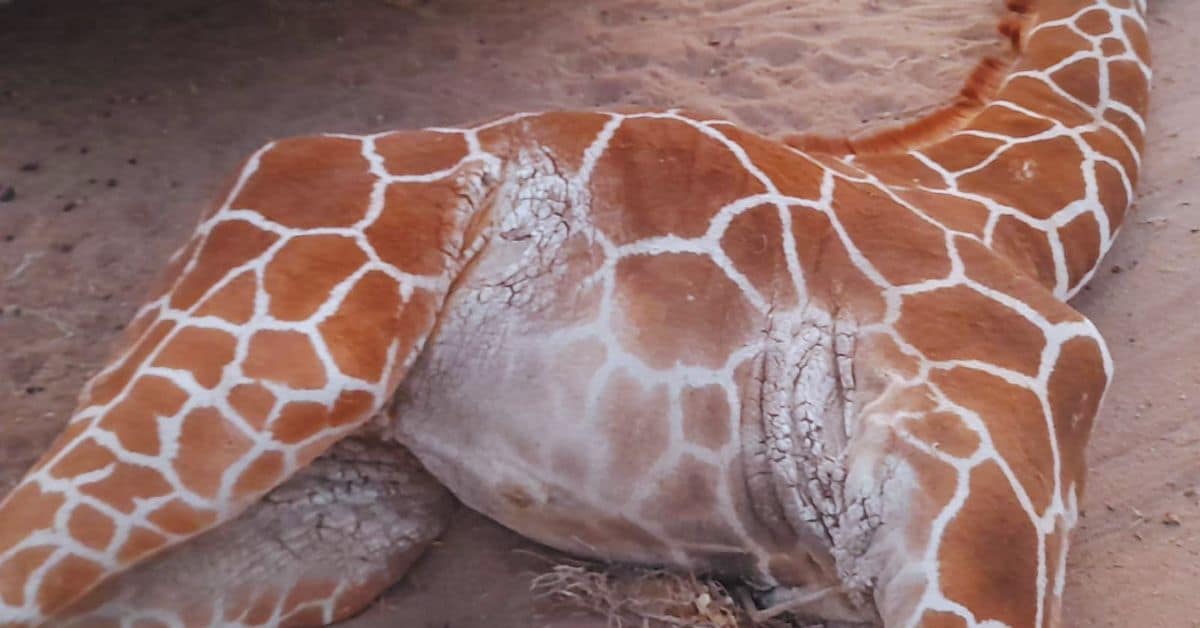
- Water Scarcity: Though giraffes get much of their water from leaves, intense droughts reduce vegetation and force giraffes to travel longer distances to find water, increasing vulnerability.
- Habitat Degradation: Drought weakens and kills trees like acacias, which are crucial for giraffe diets. Without adequate browse, malnutrition and disease follow.
- Reproductive Decline: Poor body condition caused by drought can reduce fertility and calf survival.
- Human-Wildlife Conflict: As water and food sources dwindle, giraffes are more likely to wander into farmland or settled areas, increasing the risk of conflict.
The link between climate change and giraffe survival is becoming clearer with each dry season.
Climate Change in Kenya: A Worsening Pattern
Kenya’s arid and semi-arid lands, which cover over 80% of the country, are experiencing more frequent drought cycles and rising temperatures. Wajir County, home to the Wajir Giraffe Sanctuary, has endured several consecutive failed rainy seasons. These conditions are devastating for people, livestock, and wildlife alike.
Drought not only stresses giraffe populations, but also reduces community capacity to participate in conservation—creating a cycle of vulnerability that must be addressed holistically.
Building Climate Resilience: Our Multi-Layered Approach
At Wajir Giraffe Sanctuary, we are implementing a combination of ecological, technological, and community-based strategies to protect giraffes and build climate resilience in the face of an uncertain future.
1. Habitat Restoration and Drought-Resistant Trees
We are restoring degraded grazing areas by planting indigenous, drought-tolerant tree species. These trees serve as critical browse for giraffes and improve soil and water retention over time.
- Focus on acacia and commiphora species
- Community-led tree nurseries
- Target: 50,000 trees planted by 2026
2. Water Access and Catchment Solutions
We are developing and maintaining water pans, troughs, and rainwater harvesting systems to ensure giraffes and other wildlife have access to clean water even during dry spells.
- Wildlife water points placed near browsing zones
- Shared use with livestock to promote coexistence
- Solar-powered pumps to reduce environmental impact
3. Climate-Smart Monitoring and Data Collection
Using GPS collars and community ranger patrols, we’re tracking giraffe movements and habitat changes in real time. This data informs better drought-response strategies and movement corridor planning.
- Geo-mapping of dry season feeding hotspots
- Early warning systems for water stress
- Research collaborations with conservation partners
4. Community Engagement and Education
True climate resilience must include the communities who share the land with giraffes. We work with local residents to promote climate-smart grazing, conservation agriculture, and wildlife coexistence.
- School-based environmental clubs
- Women-led tree planting initiatives
- Training on drought preparedness and land restoration
The Role of Sanctuaries in a Changing Climate
Giraffe sanctuaries in Kenya, like ours, are becoming essential climate adaptation zones. They serve as:
- Refuges for wildlife during harsh conditions
- Research hubs for monitoring climate impacts
- Education centers for promoting conservation awareness
- Eco-tourism anchors that offer sustainable income for communities
By building resilience within sanctuary borders and beyond, we create ripple effects that benefit entire landscapes.
The Power of Partnership
We cannot fight climate change alone. Our work is supported by partnerships with:
- Conservation NGOs
- Government wildlife agencies
- Climate adaptation researchers
- Local schools and youth groups
- International donors and volunteers
These collaborations allow us to scale up solutions and share knowledge across regions facing similar challenges.
What You Can Do to Help
🌿 Donate to support water access, tree planting, and community training
🦒 Sponsor a Giraffe to contribute to food and healthcare for rescued giraffes
🤝 Partner With Us if you represent a conservation, climate, or CSR initiative
📣 Raise Awareness by sharing this story and speaking up for endangered wildlife
Your support strengthens our ability to build resilience where it matters most.
Conclusion: Hope for the Dry Season
The challenges facing giraffes may be growing, but so is our determination. Climate change in Kenya is a real and present threat—but with the right tools, local leadership, and global solidarity, we can adapt.
Giraffes vs drought isn’t just a headline. It’s a fight for survival, and one that we’re committed to winning—one tree, one water point, and one community at a time.