Wajir Giraffe Sanctuary
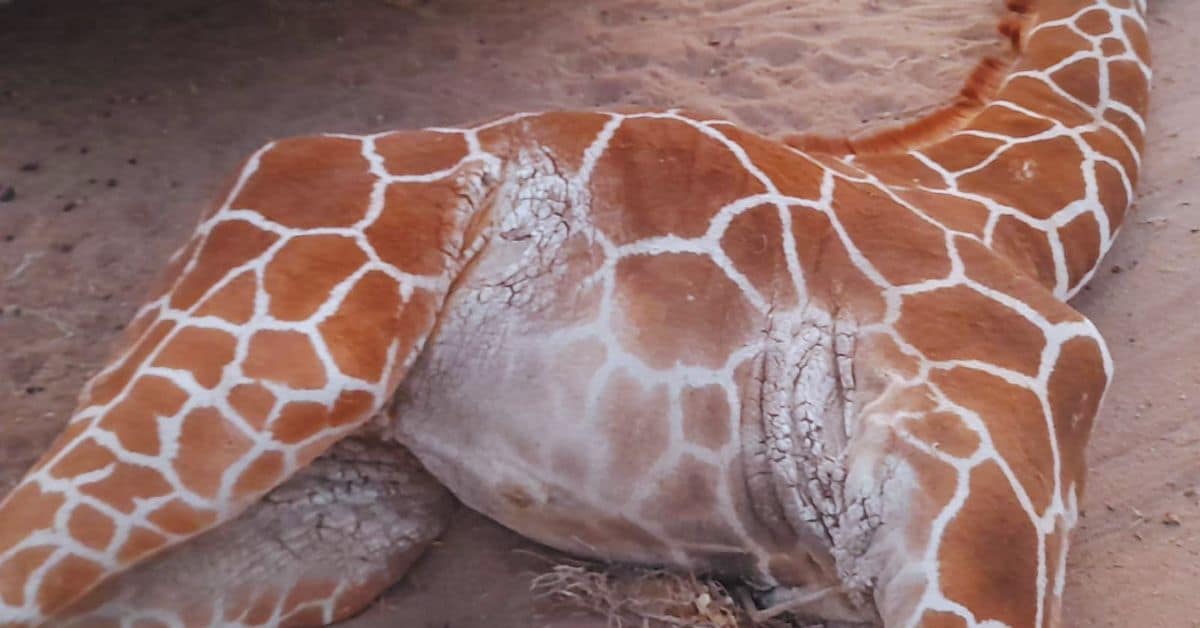
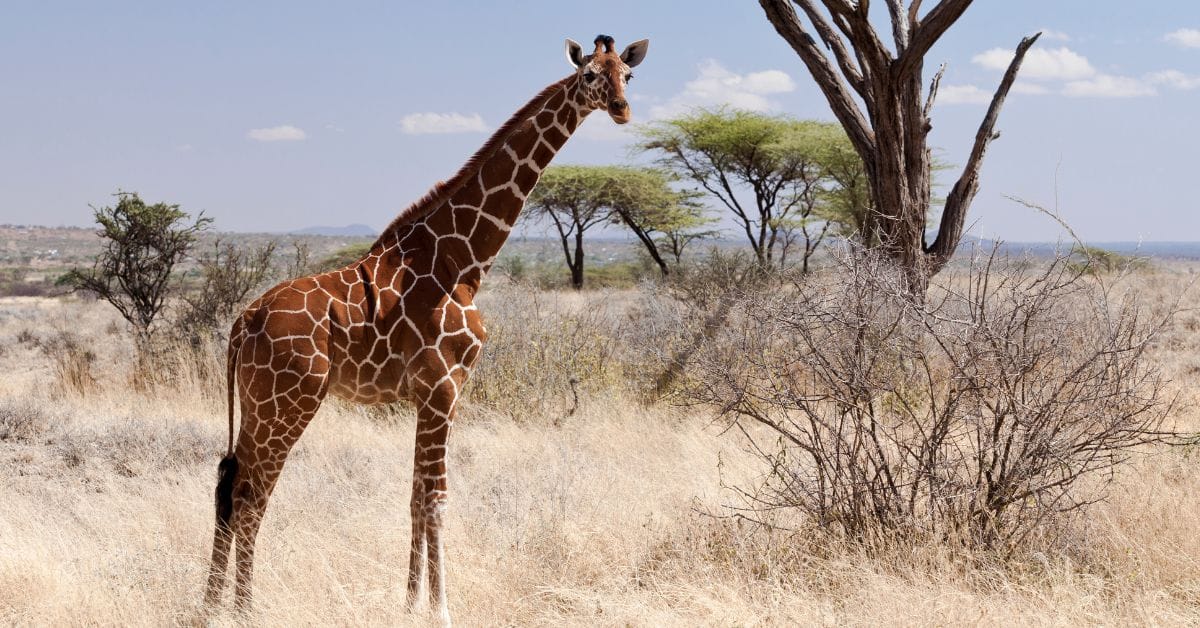
Giraffes, the world’s tallest land mammals, have long been a symbol of Kenya’s rich biodiversity. However, in Wajir County, their survival is under threat due to a combination of disease outbreaksandharsh environmental conditions. The Wajir Giraffe Sanctuary stands as a beacon of hope for giraffe conservation in Northern Kenya. In a region often overlooked in conservation conversations, this sanctuary has taken the lead in protecting giraffes from increasing threats such as disease, drought, and human-wildlife conflict. Recent giraffe mortalities caused by a skin disease suspected to be sarcoptic mange have brought the sanctuary’s work into sharp focus, underscoring the urgent need for swift and coordinated conservation action.
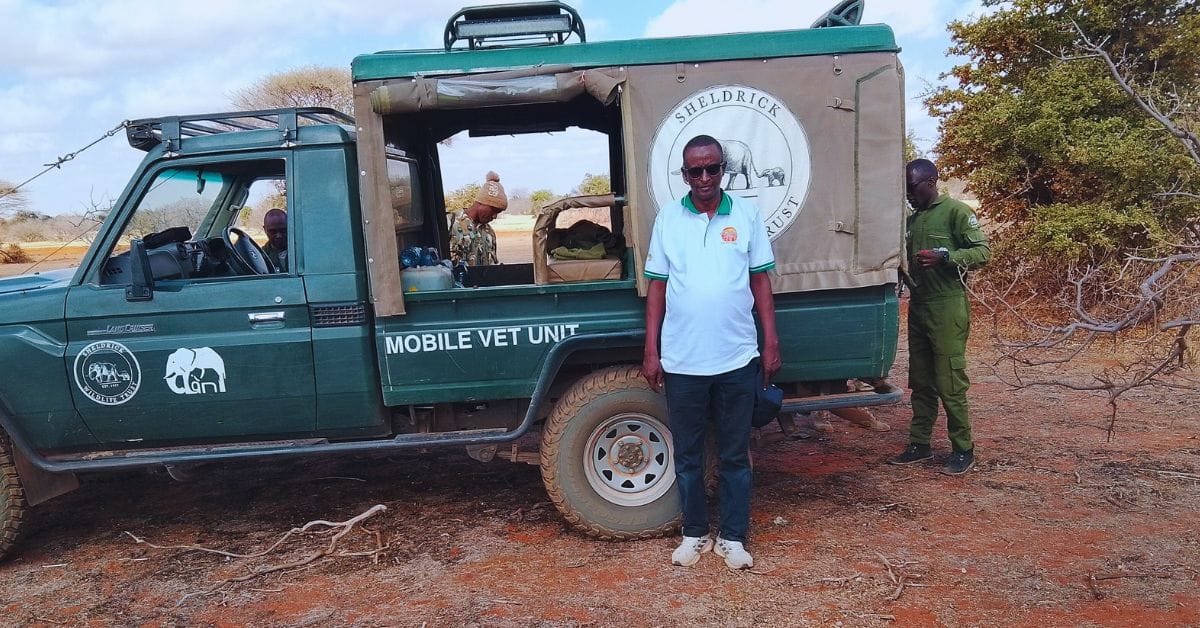
With support from the Sheldrick Wildlife Trust, the Meru Mobile Vet Unit, and the oversight of the Kenya Wildlife Service (KWS) Wajir Station, the Wajir Giraffe Sanctuary played a key role in a three-day surveillance mission carried out from 16th to 18th August 2025. This joint effort reflects the importance of multi-stakeholder partnerships in wildlife protection. Their mission was not only to treat affected giraffes but also to carry out field surveillance to understand the broader challenges wildlife face in the county.
Disease Threats to Giraffes in Wajir
Giraffes, iconic symbols of Africa’s savannah, are not immune to disease. In Wajir County, recent cases of giraffes suffering from sarcoptic mange have raised alarm among conservationists. This parasitic skin disease, caused by mites, leads to hair loss, open wounds, and weakened immunity, making affected giraffes vulnerable to starvation, predation, and secondary infections.
During the surveillance exercise, the team identified several giraffes showing signs of this skin disease. Immediate treatments were administered where possible, while data was collected for long-term monitoring. The Wajir Giraffe Sanctuary has committed to continue working with veterinary experts to track the spread of the disease and implement measures that can reduce mortality rates among these vulnerable populations.
Field Surveillance in Wajir County
From 16th to 18th August 2025, a three-day field surveillance operation was conducted across multiple locations in Wajir South and Wajir West. The team, composed of veterinary officers, sanctuary staff, and wildlife experts, worked tirelessly to monitor giraffe populations, document cases of suspected mange, and assess the availability of water and feed for both wildlife and livestock.
Areas Covered in Wajir South
- Eyrib Location
- Alidumaall Location
- Mathah Libah Location
- Haree Location
- Lagboqol Location
- Boji Yarey Location
Areas Covered in Wajir West
- Boji Yarey Location
- Shanta Abak
- Wagalla Location
- Boa Area
This wide coverage provided valuable insight into the scale of challenges affecting giraffes and highlighted the urgent need for sustainable conservation strategies in Wajir.
Challenges Facing Giraffe Conservation in Wajir
1. Sarcoptic Mange and Wildlife Health
The most pressing challenge was the presence of sarcoptic mange, a parasitic skin disease caused by mites that burrow into the skin. In giraffes, this condition manifests through:
- Severe skin irritation and itching
- Hair loss and thickened, crusty skin
- Weakness due to secondary infections
- Reduced ability to feed or move comfortably
If untreated, mange can spread rapidly within giraffe populations, leading to significant mortality rates. Early diagnosis and treatment are therefore critical to preventing widespread losses.
2. Water Shortages During Drought
The surveillance also revealed that most areas in Wajir are experiencing acute water shortages due to prolonged drought conditions. This affects not only giraffes but also other wildlife and livestock that share the same resources. Limited access to water forces giraffes to travel longer distances, which increases energy expenditure and weakens their health further.
3. Feed Scarcity and Competition
Alongside water scarcity, there is a shortage of natural forage. Giraffes, which rely heavily on browsing shrubs and trees, are struggling as vegetation becomes increasingly scarce. In some areas, the competition between livestock and wildlife for limited food sources is straining already fragile ecosystems. This has heightened the risk of malnutrition and left many giraffes vulnerable to disease.
Collaborative Conservation Efforts
Role of Sheldrick Wildlife Trust and Meru Mobile Vet Unit
The Sheldrick Wildlife Trust responded to the crisis by deploying the Meru Mobile Vet Unit, a specialized team equipped to handle wildlife health emergencies. Their interventions included:
- Assessing giraffes for signs of sarcoptic mange
- Providing medical treatment to infected individuals
- Collecting data for long-term monitoring and research
Oversight by KWS Wajir Station
The Kenya Wildlife Service (KWS) Wajir Station, under the County Warden, played a crucial role in ensuring that surveillance and treatments were carried out effectively. Their administrative oversight guaranteed that operations were aligned with national wildlife protection protocols.
Contribution of Wajir Giraffe Sanctuary
The Wajir Giraffe Sanctuary, deeply rooted in community involvement, was a key player in facilitating ground operations. As a conservation hub, the sanctuary not only provided logistical support but also mobilized local knowledge, which was vital in navigating vast and remote surveillance areas.
Why Giraffe Conservation in Wajir Matters
Giraffes are more than just majestic animals—they are keystone species that help maintain ecological balance by browsing on tall trees, which encourages plant regeneration and supports biodiversity.
In Wajir, giraffes also hold cultural significance, symbolizing resilience and beauty in an arid landscape. Losing them to disease or drought would not only harm biodiversity but also deprive future generations of a unique heritage.
Furthermore, protecting giraffes contributes to sustainable ecotourism opportunities in Wajir, opening pathways for local communities to benefit economically from wildlife conservation.
Looking Ahead: Building Resilient Conservation Strategies
The fight against giraffe mortalities in Wajir requires long-term, sustainable approaches. Key strategies moving forward include:
- Continuous veterinary surveillance to monitor and treat emerging cases of sarcoptic mange.
- Establishing reliable water points to reduce stress on both wildlife and livestock during drought seasons.
- Community sensitization programs to encourage coexistence and shared responsibility in protecting giraffes.
- Research and data collection to better understand disease dynamics and environmental pressures in Wajir.
- Strengthening partnerships between conservation organizations, government bodies, and local communities.
Conclusion & Call to Action
The recent field surveillance has shed light on the urgent challenges facing giraffe conservation in Wajir—from disease outbreaks like sarcoptic mange to the devastating impact of drought on water and food availability. Yet, it has also highlighted the power of partnerships. Through the combined efforts of the Sheldrick Wildlife Trust, Meru Mobile Vet Unit, KWS Wajir Station, and the Wajir Giraffe Sanctuary, critical steps are being taken to protect these iconic animals.
🌍 You too can play a role. By supporting conservation initiatives in Wajir, raising awareness, or partnering with organizations on the ground, we can ensure that giraffes continue to thrive in Kenya’s landscapes for generations to come.