Wajir Giraffe Sanctuary
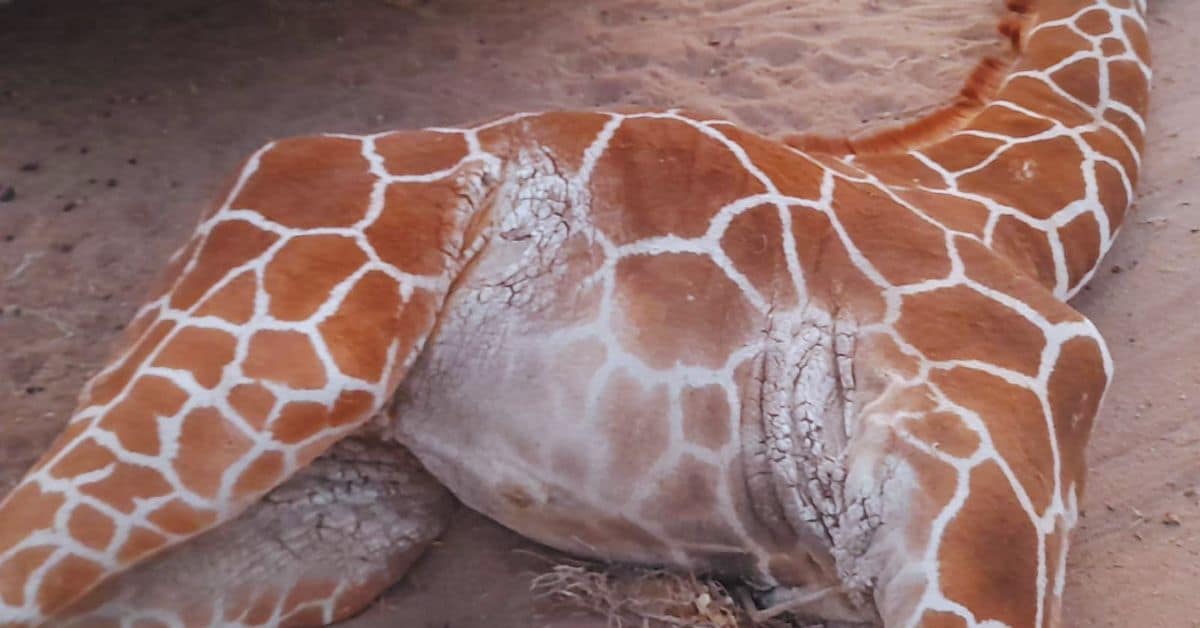
Another tragic giraffe calf death in Wajir has been reported in Biyamathow town, Wajir South, underscoring the urgent threats facing wildlife in Northern Kenya. Experts suspect sarcoptic mange, a debilitating skin disease, caused the death and continues to spread among giraffes in the region
This latest case highlights the precarious balance between disease, drought, and resource scarcity in Wajir County. Conservation partners, including the Sheldrick Wildlife Trust, the Meru Mobile Vet Unit, the Kenya Wildlife Service (KWS) Wajir Station, and the Wajir Giraffe Sanctuary, are working tirelessly to investigate and respond to the outbreak.
The Threat of Sarcoptic Mange
The recurring giraffe calf death in Wajir is strongly linked to sarcoptic mange, a parasitic skin condition caused by mites. The disease leads to hair loss, painful sores, and severe irritation. For giraffes—especially calves—this condition can weaken their immune system, reduce mobility, and increase vulnerability to predators and malnutrition.
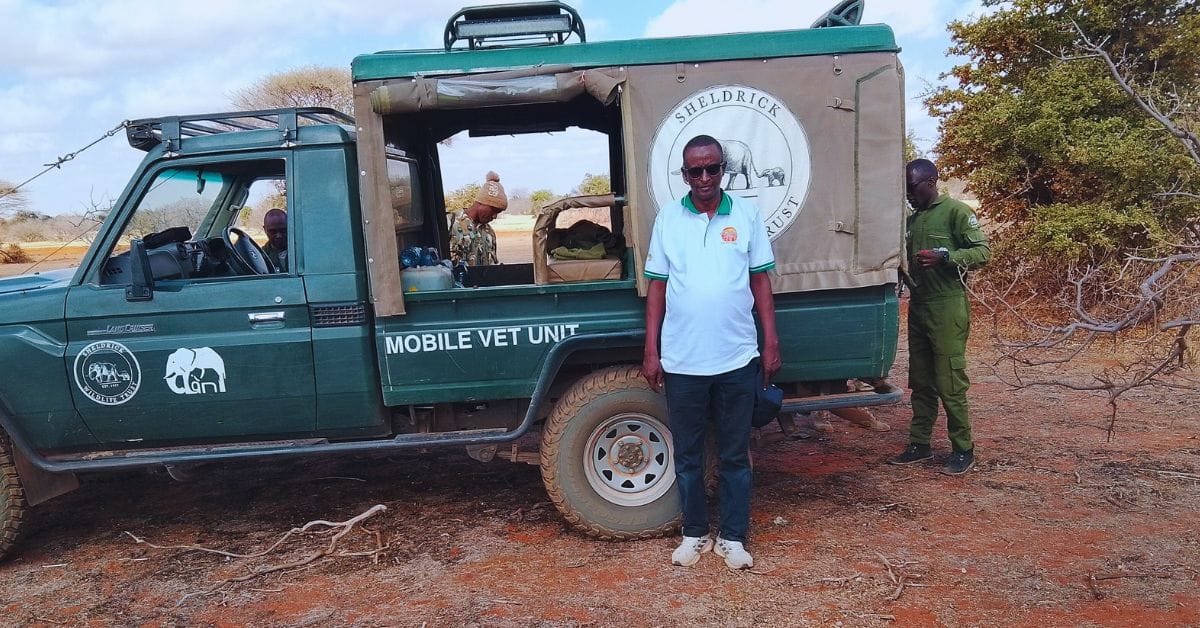
Veterinary experts from the Meru Mobile Vet Unit, deployed with support from the Sheldrick Wildlife Trust, are conducting thorough examinations to confirm the exact cause of death and to administer treatment to affected giraffes. Their findings will guide long-term disease management strategies in collaboration with the Wajir Giraffe Sanctuary.
Surveillance in Wajir South and Wajir West
To better understand the scale of the problem, a three-day field surveillance mission was conducted between 16th and 18th August 2025. The exercise targeted critical giraffe habitats across both Wajir South and Wajir West:
- Wajir South: Eyrib, Alidumaall, Mathah Libah, Haree, Lagboqol, Boji Yarey.
- Wajir West: Boji Yarey, Shanta Abak, Wagalla, and Boa.
This surveillance effort revealed widespread challenges. In most of these areas, both wildlife and livestock are grappling with severe shortages of water and food due to prolonged drought. Such environmental stressors compound the effects of disease, creating a dangerous cycle that endangers giraffe survival.
Drought as a Silent Threat
The giraffe calf death in Wajir also points to a larger environmental issue: drought. Wajir County is among Kenya’s driest regions, with frequent rainfall failures leading to acute water shortages. Giraffes, alongside livestock, are forced to travel long distances in search of food and water.
This struggle not only weakens giraffes but also heightens competition between wildlife and pastoralist communities. Calves, being smaller and less resilient than adults, are the most vulnerable to these conditions. Without intervention, more cases of giraffe calf mortality may follow.
The Role of Partnerships in Conservation
The collaborative response to the giraffe calf death in Wajir demonstrates the importance of strong partnerships in wildlife conservation.
- The Sheldrick Wildlife Trust provided resources and facilitated the deployment of the veterinary unit.
- The Meru Mobile Vet Unit conducted hands-on veterinary surveillance and treatment.
- KWS Wajir Station offered oversight and coordination of field activities.
- The Wajir Giraffe Sanctuary ensured local support and community engagement.
Together, these organizations are working to mitigate immediate risks while also planning long-term strategies to protect giraffes from both disease and environmental threats.
Community Involvement in Giraffe Protection
Beyond organizations, local communities play a pivotal role in reporting giraffe deaths, sightings of sick animals, and supporting conservation initiatives. The Wajir Giraffe Sanctuary has been actively engaging communities to raise awareness about giraffe conservation and the importance of protecting these unique animals. When local residents cooperate with conservation teams, they can detect diseases like mange earlier, and they can sustain long-term solutions, such as establishing water points, more effectively.
Looking Ahead: A Call for Urgent Action
The giraffe calf death in Wajir is more than an isolated tragedy—it is a warning sign of wider conservation challenges in Northern Kenya. Without urgent interventions to tackle disease, drought, and habitat degradation, the survival of giraffes in Wajir could be at serious risk.
Conservation partners have taken a step in the right direction, but teams need more resources to strengthen veterinary services, restore habitats, and provide reliable water sources. Protecting giraffes in Wajir is not only about safeguarding a species—it is about preserving biodiversity, ecological balance, and Kenya’s natural heritage.