Wajir Giraffe Sanctuary
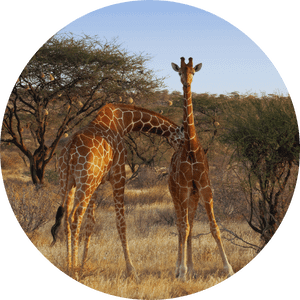
Giraffe Monitoring & Research
We conduct regular population surveys, track footprints, map habitats, and collect field data on giraffe health, movement, and threats. Local community rangers record sightings using mobile devices and data sheets, ensuring real-time insight into population trends.
Key Activities:
- Ongoing population counts & mapping.
- Behavioral observations & health checks.
- Threat recording: poaching, habitat loss, conflict.
- Data sharing with research partners and conservation agencies.
🎯 Goal: Build a local giraffe database to support long-term protection and science-informed decision-making.
📢 Callout: Sponsor GPS-enabled monitoring equipment.

Habitat Restoration & Protection
The future of giraffes depends on healthy rangeland. We identify and protect key habitats and movement corridors across Wajir. With community support, we restore degraded areas by planting native tree species such as Acacia and Commiphora and by promoting responsible grazing plans.
What We Do:
- Habitat mapping & corridor protection
- Reforestation with drought-hardy native trees
- Community-led land-use agreements to reduce overgrazing
- Community training on sustainable land use
🎯 Goal: Reconnect fragmented giraffe habitats and restore the ecosystem.
📢 Callout: Plant a tree, restore a habitat.

Community Education & Awareness
We bring conservation to the people—through school outreach, community barazas (public forums), local radio programs, and annual celebrations like World Giraffe Day. Youth and women’s groups receive training in wildlife stewardship and conservation leadership.
Highlights:
- School wildlife talks & field learning trips
- Community barazas & radio awareness
- Youth & women conservation workshops
- World Giraffe Day celebrations (June 21st)
🎯 Goal: Inspire conservation pride and environmental stewardship in local communities.
📢 Callout: Sponsor school wildlife clubs and awareness events.

Human–Wildlife Coexistence
Livestock herding is central to life in Wajir. As rangelands shrink, conflicts with giraffes increase. We train herders on non-lethal mitigation, promote seasonal grazing strategies, and build dialogue between wildlife scouts and pastoralist leaders.
Focus Areas:
- Conflict reporting & response networks
- Grazing plans that reduce wildlife-livestock tension
- Community-led coexistence forums
- Cultural storytelling to promote mutual understanding
🎯 Goal: Reduce conflict and promote peaceful co-existence between people and giraffes.
📢 Callout: Support coexistence training for herders.


Anti-Poaching & Wildlife Crime Prevention
We work closely with Kenya Wildlife Service (KWS), community elders, and trained scouts to reduce illegal hunting and wildlife trafficking. Patrols, intelligence networks, and alternative livelihoods are central to long-term success.
Actions:
- Community wildlife patrols
- Rapid response & reporting systems
- Alternative livelihoods to reduce poaching incentives
- Public education on wildlife laws and enforcement
🎯 Goal: Establish a zero-poaching zone through local leadership and vigilance.
📢 Callout: Equip a patrol team—protect a giraffe.

Water & Climate Resilience Program
Climate stress threatens people and wildlife alike. We help construct or rehabilitate water points that benefit both livestock and giraffes, train communities in climate-smart grazing, and monitor climate impacts on giraffe movement and survival.
Core Initiatives:
- Rehabilitate and construct shared water access points
- Promote drought preparedness and grazing plans
- Monitor giraffe movement patterns in response to climate stress
🎯 Goal: Build community and wildlife resilience in the face of a changing climate.
📢 Callout: Restore a water point—save lives in drought.

Eco-Tourism & Income Generation Program
Sustainable visits create income for communities while funding conservation. We are developing eco-experiences including giraffe walks, guided nature tours, and cultural homestays. Local youth and women are being trained as guides, hosts, and citizen conservationists.
Activities:
- Develop giraffe viewing walks and cultural homestays
- Train guides, hosts, and storytellers
- Reinvest income into community projects
🎯 Goal: Make conservation economically beneficial for local communities.
📢 Callout: Book a giraffe tour—empower local livelihoods.

Conservation Partnerships & Training Program
Partnerships make scale possible. We collaborate with KWS, NGOs, research institutions, and conservation networks. Training workshops cover wildlife law, data collection, and community leadership. Youth internships and volunteer placements build the next generation of conservation talent.
Our Approach:
- Partner with KWS, NGOs, and academic institutions
- Facilitate workshops on conservation leadership & law
- Offer internships and volunteer programs to local students and graduates.
- Co-develop local conservation curricula with schools
🎯 Goal: Strengthen community-led conservation capacity for lasting impact.
📢 Callout: Partner with us—amplify your impact.