Wajir Giraffe Sanctuary

Graceful, towering, and instantly recognizable by its vivid geometric coat pattern, the Reticulated Somali Giraffe is a true symbol of the African wilderness. Found predominantly in northern Kenya and parts of southern Ethiopia and Somalia, this subspecies of giraffe is now facing an escalating crisis. Giraffe conservation efforts have never been more urgent, as this iconic species battles a perfect storm of habitat loss, poaching, climate change, and human encroachment.
Once a common sight across the dry savannahs of East Africa, the Reticulated Somali Giraffe population has declined by more than 50% over the past few decades. If this trend continues unchecked, these giraffes — and the vital ecological roles they play — could vanish forever. In this article, we explore the threats they face, why their survival matters, and what we can do to reverse their fate.
What Makes the Reticulated Somali Giraffe Unique?
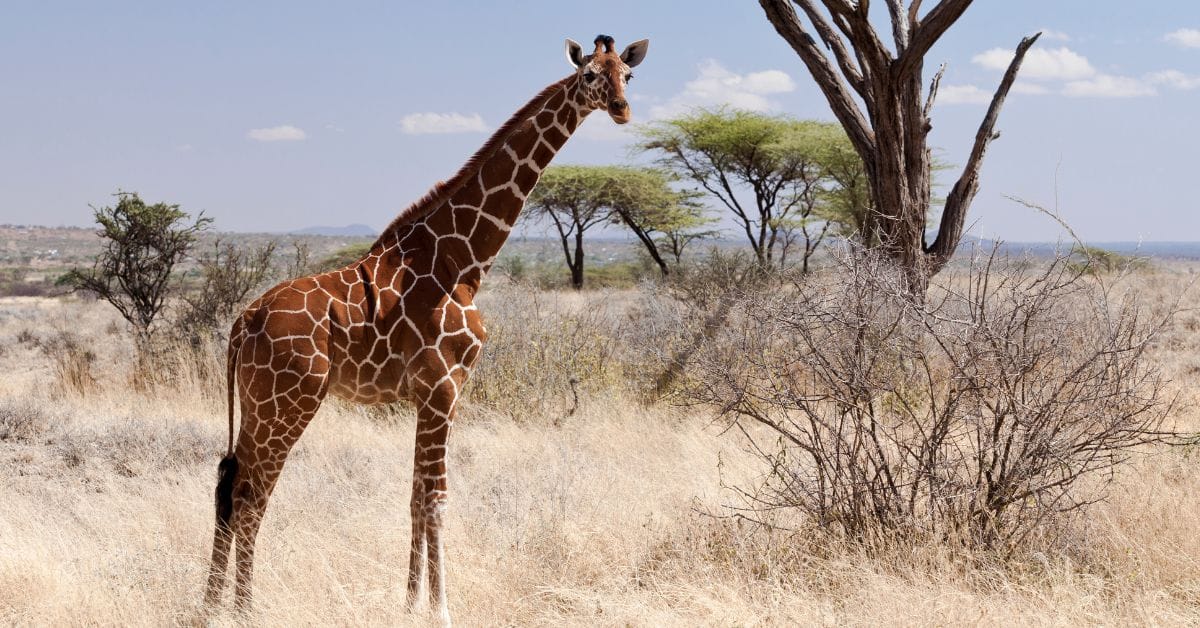
The Reticulated Somali Giraffe (Giraffa reticulata) is perhaps the most visually striking of all giraffe subspecies. Its name originates from its coat, a beautiful network of polygonal, liver-colored patches outlined by bright white lines — a feature that makes it a favorite among wildlife photographers and tourists.
This species thrives in arid and semi-arid environments, primarily inhabiting northern Kenya counties like Wajir, Garissa, Isiolo, and Samburu, as well as parts of southern Ethiopia and Somalia. Despite being the most well-known giraffe in zoos and conservation campaigns, the wild population is dwindling rapidly.
Understanding the Decline: Threats Facing the Reticulated Somali Giraffe
1. Habitat Loss in East Africa
The natural habitat of the Reticulated Somali Giraffe is disappearing. Expanding farmlands, deforestation, infrastructure development, and human settlements are fragmenting the open savannahs and woodlands that these giraffes depend on. As their habitat shrinks, giraffes move into human-dominated landscapes, increasing the risk of conflict.
In places like northern Kenya, people are converting traditional grazing lands for commercial use, making it difficult for giraffes to roam freely and find food. The loss of acacia trees — their primary food source — is also impacting their nutritional intake and survival.
2. Giraffe Poaching in Africa
Though often overshadowed by the poaching of elephants and rhinos, giraffes are also victims of illegal hunting. In some parts of East Africa, giraffes are killed for:
- Bushmeat, which is sold in local markets
- Skins and tails, used in traditional ceremonies
- Bones and marrow, believed to have medicinal properties
This rampant giraffe poaching has become a serious contributor to the Somali giraffe population decline.
3. Political Instability and Insecurity
Many of the regions where the Reticulated Somali Giraffe lives are plagued by political unrest and weak enforcement of wildlife protection laws. Armed conflicts and insecurity prevent conservation agencies from operating effectively, creating safe zones for poachers and illegal land users.
4. Climate Change
Climate change is intensifying the threats giraffes already face. Unpredictable rainfall patterns, frequent droughts, and degradation of vegetation are stressing ecosystems across East Africa. As water sources dry up and vegetation becomes scarcer, giraffes must travel farther for food and water, increasing their exposure to predators and poachers.
Why the Reticulated Somali Giraffe Must Be Protected
🦒 Ecological Importance
Giraffes play a crucial role in their ecosystems. By feeding on the upper canopies of trees, they:
- Help shape vegetation structure
- Encourage new plant growth
- Facilitate seed dispersal
Their foraging habits allow sunlight to penetrate lower shrubs, supporting a more diverse plant and animal community. The disappearance of giraffes would lead to a cascade of biodiversity loss in East Africa.
💰 Economic Importance
Giraffes are a key attraction for Kenya’s tourism industry. Many tourists visit reserves like Samburu National Reserve, Wajir Giraffe Sanctuary, and Meru National Park specifically to see these iconic animals. Their loss would impact eco-tourism revenues and the livelihoods of communities that depend on it.
🌍 Cultural Significance
In many East African communities, giraffes are part of traditional folklore and heritage. Protecting them is not just about saving a species, but preserving a legacy.
What’s Being Done: Conservation Efforts and Local Initiatives
Fortunately, efforts are underway to save the Reticulated Somali Giraffe, with several community-based conservation programs gaining traction:
1. Northern Rangelands Trust (NRT)
NRT supports community conservancies in northern Kenya, helping locals protect giraffes and other wildlife. Through training, education, and funding, NRT empowers communities to patrol, monitor, and secure giraffe habitats.
2. Giraffe Conservation Foundation (GCF)
This international organization conducts scientific research and conservation programs specifically focused on giraffes. In Kenya, they’ve partnered with local authorities to monitor giraffe populations using GPS collars and promote awareness campaigns.
3. Wajir Giraffe Sanctuary
A growing initiative in Wajir County, this sanctuary aims to become a haven for the Reticulated Somali Giraffe while promoting eco-tourism and job creation for local residents.
4. Kenya Wildlife Service (KWS)
KWS continues to work with partners to implement stricter anti-poaching measures, habitat restoration, and wildlife corridor development across giraffe territories.
What More Needs to Be Done?
Despite existing efforts, more work is urgently needed to save the Reticulated Somali Giraffe:
- Stronger Protection Laws
Governments in Kenya, Ethiopia, and Somalia must introduce and enforce tougher penalties for giraffe poaching and illegal land encroachment. - Land Use Planning
Sustainable land-use policies should integrate wildlife conservation with agriculture, development, and community needs. - Public Awareness
Greater investment is needed in education campaigns to shift public attitudes toward wildlife protection in Kenya and the broader region. - Research and Monitoring
Long-term studies and monitoring are essential for understanding population trends and implementing adaptive conservation strategies.
How You Can Help
Even if you’re far from East Africa, you can make a difference:
- Donate to organizations like the Giraffe Conservation Foundation.
- Visit eco-tourism destinations that support local conservation.
- Share information on social media to raise awareness.
- Advocate for sustainable and ethical travel practices.
Conclusion: Time Is Running Out
The Reticulated Somali Giraffe is not just a beautiful creature — it is a keystone species, a cultural icon, and a symbol of Africa’s wild spirit. Its rapid decline is a call to action for governments, conservationists, and the global community. If we act now, through community-based conservation, better policies, and public support, we can secure a future where these giraffes continue to roam freely across the East African savannahs. Conservation matters now more than ever — because extinction is forever.
Frequently Asked Questions (FAQs)
1. What is the Reticulated Somali Giraffe?
The Reticulated Somali Giraffe (Giraffa reticulata) is a subspecies of giraffe native to northern Kenya, southern Ethiopia, and parts of Somalia. It is known for its unique, net-like coat pattern and is one of the most recognizable giraffe species in the world. Sadly, its population is rapidly declining due to habitat loss and poaching.
2. Why is the Reticulated Somali Giraffe endangered?
The species faces numerous threats, including:
Political instability, limiting conservation enforcement
These factors have contributed to the Somali giraffe population decline, pushing the species toward endangered status.
Habitat loss in East Africa due to agriculture, development, and deforestation
Giraffe poaching in Africa for meat, skin, and other body parts
Climate change affecting food and water availability
3. Where can the Reticulated Somali Giraffe be found?
This giraffe subspecies is primarily found in northern Kenya, especially in regions like: Wajir County, Isiolo County and Samburu National Reserve. Smaller populations also exist in parts of southern Ethiopia and Somalia.
4. What role does the giraffe play in the ecosystem?
The Reticulated Somali Giraffe is a keystone species in the savannah ecosystem. It helps maintain ecological balance by:
- Pruning trees and encouraging new plant growth
- Spreading seeds
- Supporting biodiversity through its feeding habits
Losing giraffes can lead to serious biodiversity loss in East Africa.
5. How can communities benefit from giraffe conservation?
Local communities benefit through:
- Eco-tourism revenue from giraffe-related safaris
- Employment opportunities in ranger services and conservation education
- Capacity-building through community-led initiatives
Conservation enhances both wildlife protection in Kenya and rural livelihoods.