Wajir Giraffe Sanctuary
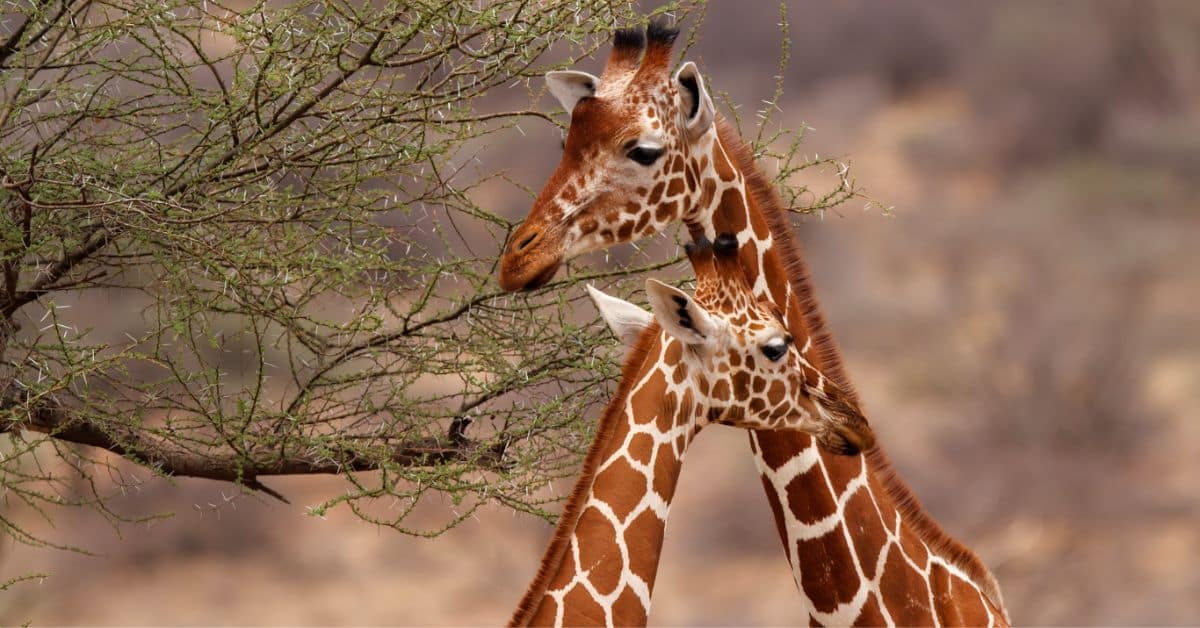
With their towering height and striking, geometric coat patterns, giraffes are among the most iconic animals in the African wilderness. But not all giraffes are the same. Among the various subspecies, the Reticulated Giraffe (also known as the Somali Giraffe) stands out for its beauty, behavior, and ecological importance—especially in Northern Kenya, where it is native.
In this article, we take you deep inside the lives of reticulated giraffes, exploring what makes them unique, how they live, and why they’re worth protecting.
What Is a Reticulated Giraffe?
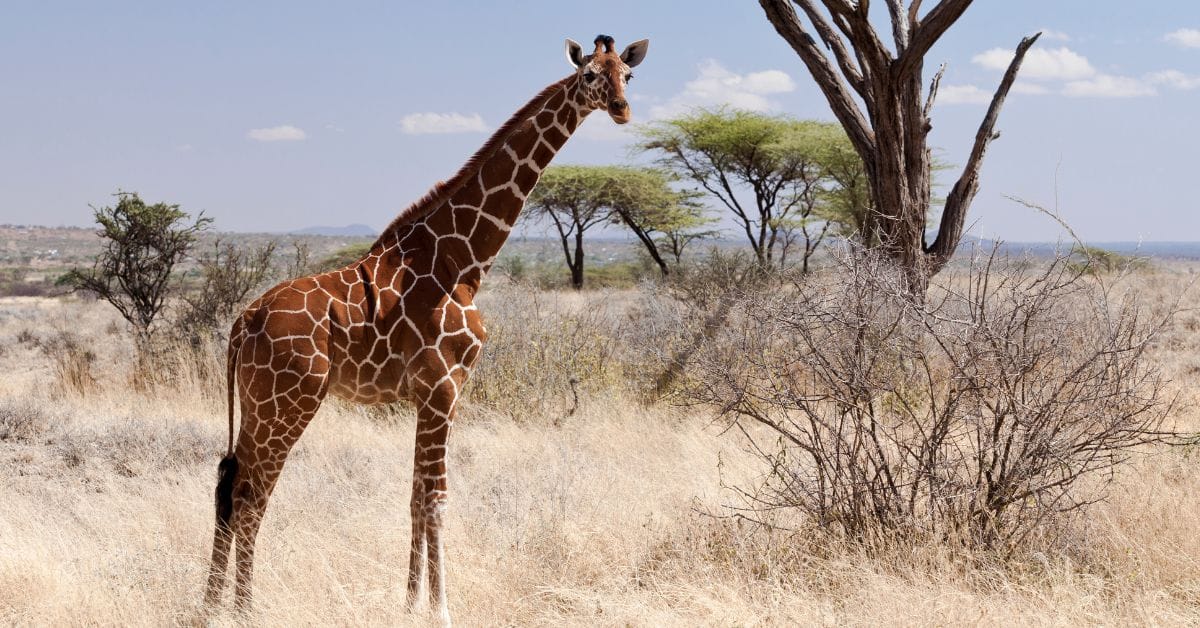
The Reticulated Giraffe (Giraffa reticulata) is one of the most recognizable giraffe subspecies due to its beautiful, net-like coat pattern. The name “reticulated” comes from the Latin word reticulatus, meaning “net-like” — a nod to the giraffe’s stunning coat marked by sharp white lines creating polygonal patches.
Native primarily to Northern Kenya and parts of southern Somalia, this giraffe is uniquely adapted to arid and semi-arid ecosystems.
What Makes Reticulated Giraffes Unique?
1. Striking Coat Pattern
Among all giraffe subspecies, reticulated giraffes have the most distinct coat markings. Their bold, polygonal patches are set against a bright white background, creating a striking contrast that makes them visually different from their cousins like the Masai or Nubian giraffes.
This pattern not only serves as camouflage in dappled light but is also unique to each giraffe—much like a fingerprint.
2. Geographical Range
Unlike other giraffes found across wider parts of East and Southern Africa, reticulated giraffes are restricted to northeastern Kenya, with a few populations in southern Ethiopia and Somalia. Their habitat includes dry savannahs, scrublands, and acacia woodlands—landscapes where survival demands resilience.
3. Adaptations for Dry Climates
Living in arid regions, reticulated giraffes have adapted to survive with minimal water. They can go for days without drinking, relying on moisture from leaves—particularly acacia trees.
They also browse at heights few other animals can reach, using their long necks and prehensile tongues to access leaves 5–6 meters above ground, reducing competition with other herbivores.
4. Social Structure
Reticulated giraffes are social creatures, often seen in loose groups known as “towers.” These groups are typically composed of females and their young, while males tend to roam more independently or form bachelor herds.
Interestingly, they have no permanent group structure. Individuals come and go, forming flexible associations based on food availability, mating opportunities, and environmental factors.
Daily Life of a Reticulated Giraffe
A typical day in the life of a reticulated giraffe involves:
- Foraging for food — They spend up to 16–20 hours per day browsing, especially during cooler hours.
- Ruminating (chewing cud) — As ruminants, giraffes digest food through a multi-chambered stomach, often standing still and chewing.
- Socializing or mating — Males often compete by “necking,” a behavior where they swing their necks at each other to establish dominance.
- Resting or sleeping — Giraffes sleep in short intervals, often standing up to remain alert to predators.
Diet: What Do Reticulated Giraffes Eat?
Their diet mainly consists of:
- Acacia leaves – Their favorite!
- Mimosa and Commiphora shrubs
- Fruits and pods when available
- Herbs and flowers in the rainy season
Their 45 cm (18 inch) tongue and tough upper lip help them feed even among thorny branches.
Conservation Status: Why They Need Protection
Despite their graceful appearance, reticulated giraffes are an endangered species. According to the IUCN, their population has declined by more than 50% in the last 30 years due to:
- Habitat loss and degradation
- Poaching and bushmeat trade
- Climate change and prolonged drought
- Human-wildlife conflict
With only an estimated 15,000 individuals left in the wild, primarily in Northern Kenya, urgent conservation efforts are critical.
How Wajir Giraffe Sanctuary Is Making a Difference
At the Wajir Giraffe Sanctuary, we are deeply committed to protecting reticulated giraffes and their fragile habitat. Here’s how we’re contributing:
- Safe Habitat: We provide a protected area where giraffes can roam safely.
- Monitoring and Research: Tracking giraffe movements and behavior helps us respond to threats.
- Community Involvement: Local communities are trained and employed as rangers, guides, and eco-ambassadors.
- Climate Resilience: Tree planting and water conservation initiatives support both giraffes and people.
How You Can Help
Want to be part of saving these magnificent animals? Here are a few ways:
🦒 Sponsor a Reticulated Giraffe – Support its care and protection
🌿 Donate to Habitat Restoration – Help us plant more drought-resistant trees
👣 Visit the Sanctuary – Learn, experience, and spread the message
🤝 Volunteer or Partner – Support community education and wildlife programs
Every effort counts when it comes to preserving one of Kenya’s most iconic species.
Final Thoughts
The reticulated giraffe is more than just a beautiful animal — it is a symbol of Africa’s natural heritage and a keystone species in Kenya’s arid ecosystems. By understanding what makes them unique, we build the foundation for protecting them.
Let’s ensure future generations can stand in awe beneath the towering legs of these gentle giants — not just in books or photographs, but in the wild places they call home.