Wajir Giraffe Sanctuary
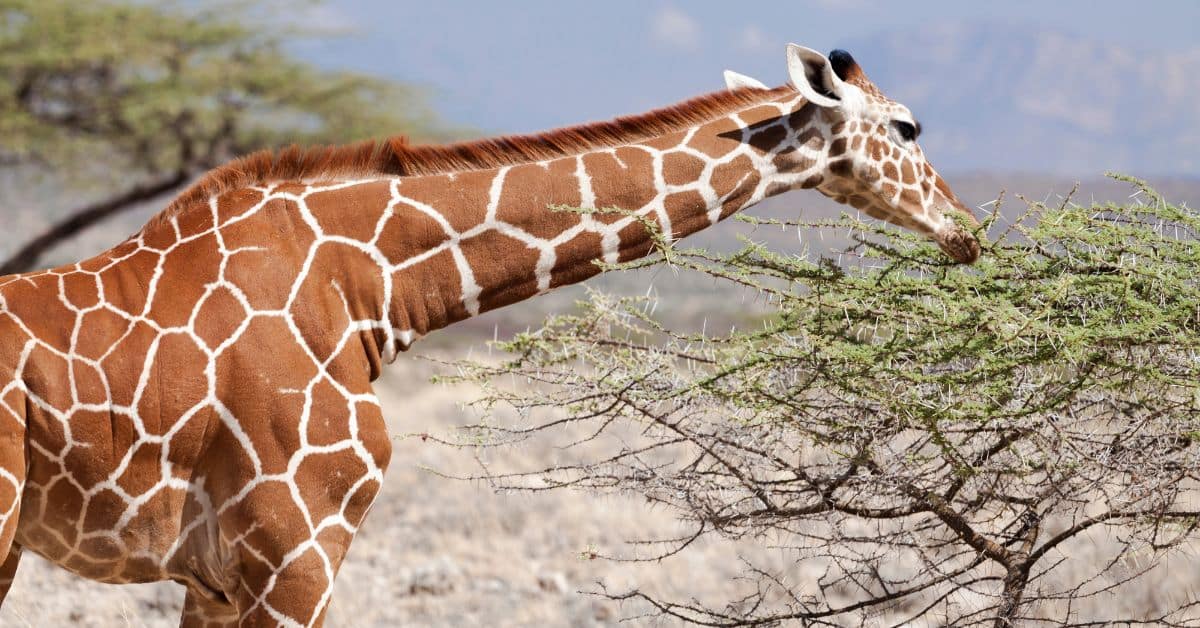
The Reticulated Somali giraffe (Giraffa reticulata) is one of Africa’s most striking and unique wildlife species, and it holds a vital place in Kenya’s rich ecosystems and cultural heritage. As an endangered species native primarily to Northern Kenya and southern Somalia, this giraffe’s survival is intertwined with the health of its habitat and the well-being of local communities.
In this article, we explore why the Reticulated Somali giraffe matters — ecologically, culturally, and conservationally — and why protecting it is crucial for Kenya’s biodiversity and future.
The Reticulated Somali Giraffe: A Distinctive Giant
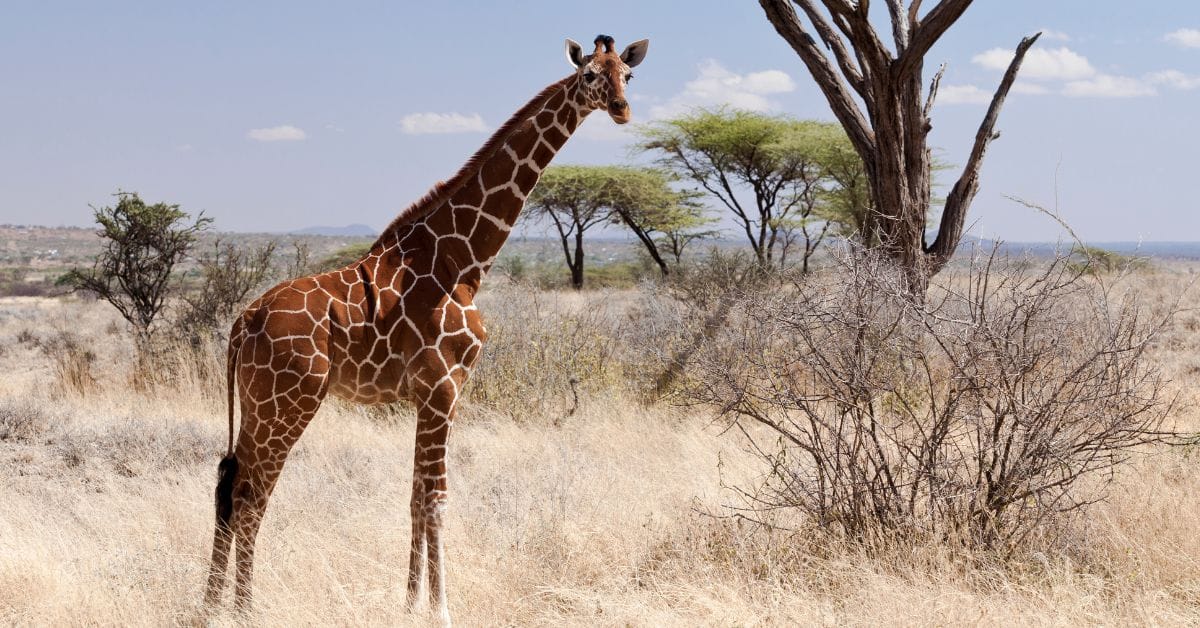
Often referred to simply as the reticulated giraffe, this species is known for its distinctive, net-like coat pattern with sharply defined white lines separating polygonal patches of orange-brown. These elegant markings not only provide camouflage but also distinguish it from other giraffe species.
The reticulated giraffe is native to arid and semi-arid regions, especially in Northern Kenya’s Wajir and Garissa counties, and parts of southern Somalia. Unfortunately, it is classified as endangered by the IUCN, with population numbers declining due to habitat loss, poaching, and human-wildlife conflict.
Ecological Importance: More Than Just a Beautiful Creature
The Reticulated Somali giraffe plays a key role in Kenya’s ecosystem. As browsers, giraffes feed on the leaves, buds, and shoots of tall trees, particularly acacias, which helps shape the vegetation structure of savannahs and woodlands.
- Vegetation Management: By feeding on specific trees and shrubs, giraffes promote plant diversity and prevent any one species from dominating, maintaining ecological balance.
- Seed Dispersal: Their movement across large areas aids in spreading seeds through their droppings, encouraging forest regeneration and biodiversity.
- Supporting Other Wildlife: By browsing, giraffes create gaps in the canopy allowing sunlight to reach the understory, which benefits smaller plants and animals.
Their presence is a vital indicator of a healthy savannah ecosystem — a habitat that supports many other species from insects to large carnivores.
Cultural Significance in Northern Kenya
Beyond ecology, the Reticulated Somali giraffe holds deep cultural importance for communities living in Northern Kenya. For many pastoralist groups, giraffes symbolize grace, resilience, and a harmonious relationship with nature.
Traditional stories, songs, and artworks often feature giraffes, reflecting their role in local heritage. In recent years, community-led conservation projects have empowered locals to protect giraffes, linking cultural pride with sustainable environmental stewardship.
Threats Facing the Reticulated Somali Giraffe
Despite its importance, the Reticulated Somali giraffe faces numerous threats:
- Habitat Loss and Fragmentation: Expansion of agriculture, infrastructure development, and climate change have led to shrinking and fragmented habitats.
- Poaching and Illegal Hunting: While giraffes are not traditionally targeted as heavily as elephants or rhinos, illegal hunting for meat and trophies has increased.
- Human-Wildlife Conflict: As human settlements grow, competition for water and grazing land sometimes leads to conflict.
- Drought and Climate Change: Increasingly severe droughts threaten both giraffe food sources and water availability.
Without intervention, these threats could push the species closer to extinction.
Conservation Efforts: Protecting Kenya’s Icon
Organizations, government agencies, and local communities have initiated several conservation programs to protect the Reticulated Somali giraffe:
- Sanctuaries and Protected Areas: Sites like the Wajir Giraffe Sanctuary provide safe habitats with anti-poaching patrols and research.
- Community-Based Conservation: Involving local people in monitoring and protecting giraffes ensures sustainable, long-term impact.
- Education and Awareness: Programs teach the importance of giraffes to both ecology and culture, fostering coexistence.
- Research: Tracking population dynamics and health helps adapt conservation strategies.
International partnerships and funding are also crucial in sustaining these efforts.
Why You Should Care: The Bigger Picture
Saving the Reticulated Somali giraffe is about more than just one species. It’s about preserving Kenya’s natural heritage, supporting biodiversity, and fostering community development.
Protecting giraffes safeguards vast ecosystems that provide clean air, water, and livelihoods for millions. It also strengthens cultural identities and promotes eco-tourism, which can boost local economies.
How You Can Help
- Support Conservation Projects: Donate or volunteer with organizations protecting giraffes and their habitats.
- Raise Awareness: Share stories about the Reticulated Somali giraffe’s plight and importance.
- Practice Responsible Tourism: Visit conservation sites ethically and support community eco-tourism initiatives.
- Advocate for Policy: Encourage stronger wildlife protection laws and land-use planning.
Conclusion
The Reticulated Somali giraffe is a majestic species emblematic of Kenya’s unique wildlife and rich cultures. Its survival depends on collective efforts that blend ecological science, community empowerment, and respect for nature.
By understanding why this giraffe matters, we take the first step toward ensuring it continues to grace Kenya’s landscapes for generations to come.